Improve Your Art. Start Here.
Art is a lifelong journey, and I'm still learning every day. This collection of articles brings together what I've discovered through years of drawing, studying, and experimenting. Whether you're interested in choosing the right materials, improving your techniques, or simply finding encouragement to keep creating, I hope you'll find something here that inspires you to pick up your favorite medium and make art.
Click a topic below to jump directly to that section of the page:
🌱 Getting Started
Materials, beginner guides, and foundational art concepts.📈 Artistic Growth
Practice, mindset, overcoming challenges, and improving your skills.🌈 Color Theory
Understanding color, harmony, values, and applying color to realistic artwork.✏️ Techniques
Tutorials, textures, mark making, layering, paper, and other practical drawing methods.👁️ Realism
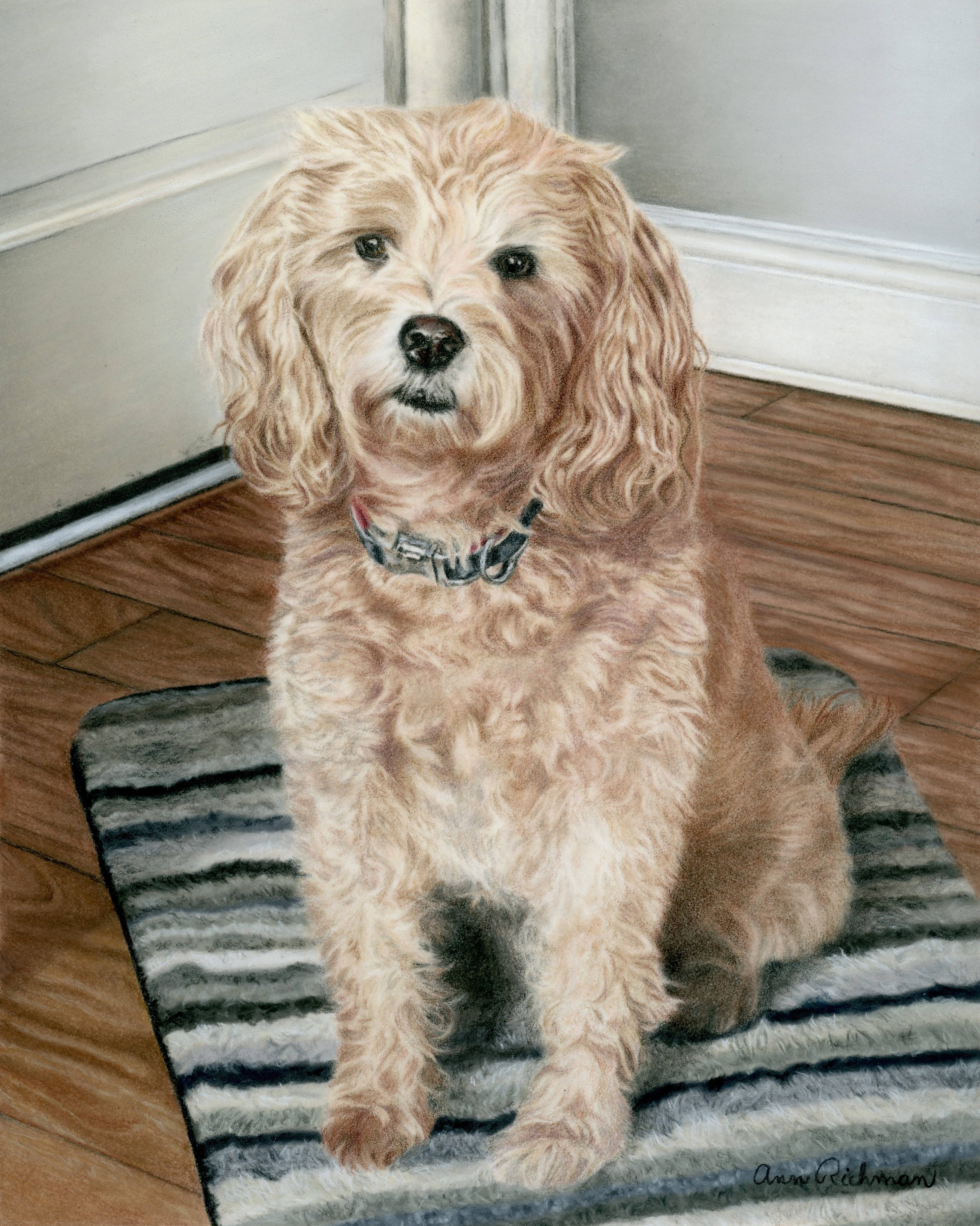
Articles focused on creating realistic drawings, observation, and achieving accurate likenessesArticles featuring tips on creating pet portraits
📚 Art Resources
Book recommendations, reviews, gift guides, magazines, and other resources for artists.🏛️ Art History
Articles about influential artists, artistic movements, and the history behind the techniques and traditions that continue to inspire artists today.
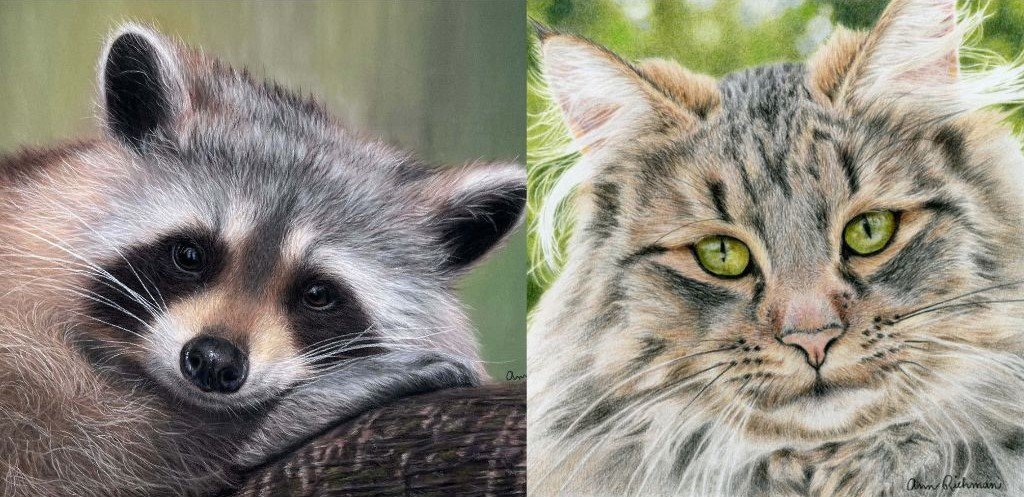
Being an artist who can use multiple media has its benefits. It gives you the ability to decide before a piece which materials might give you the result you are looking for. Here are five factors that can help you decide if you want to use pastels or mixed media for your next piece.
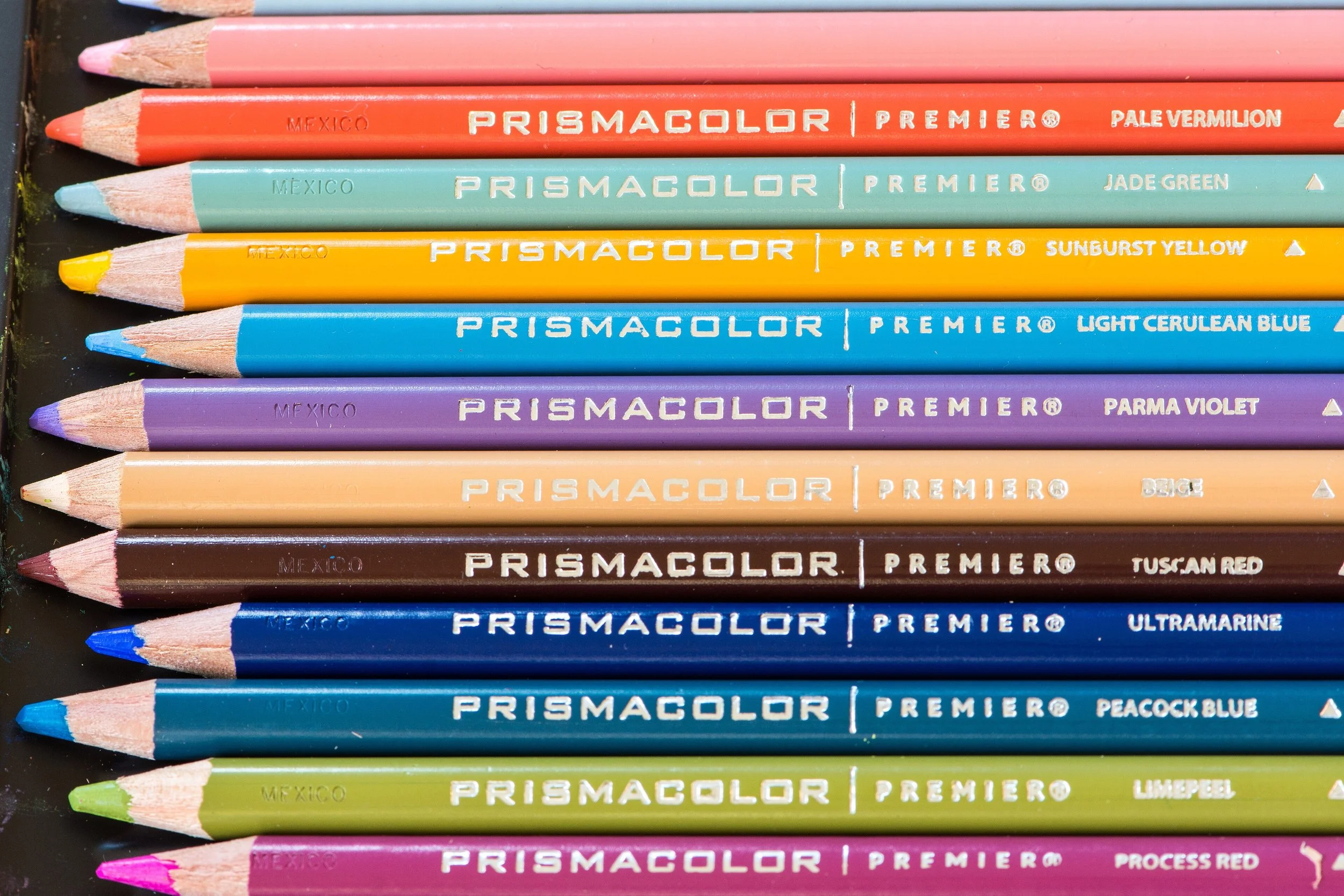
This essential supply list will help you to start creating beautiful colored pencil pieces without all the fuss.
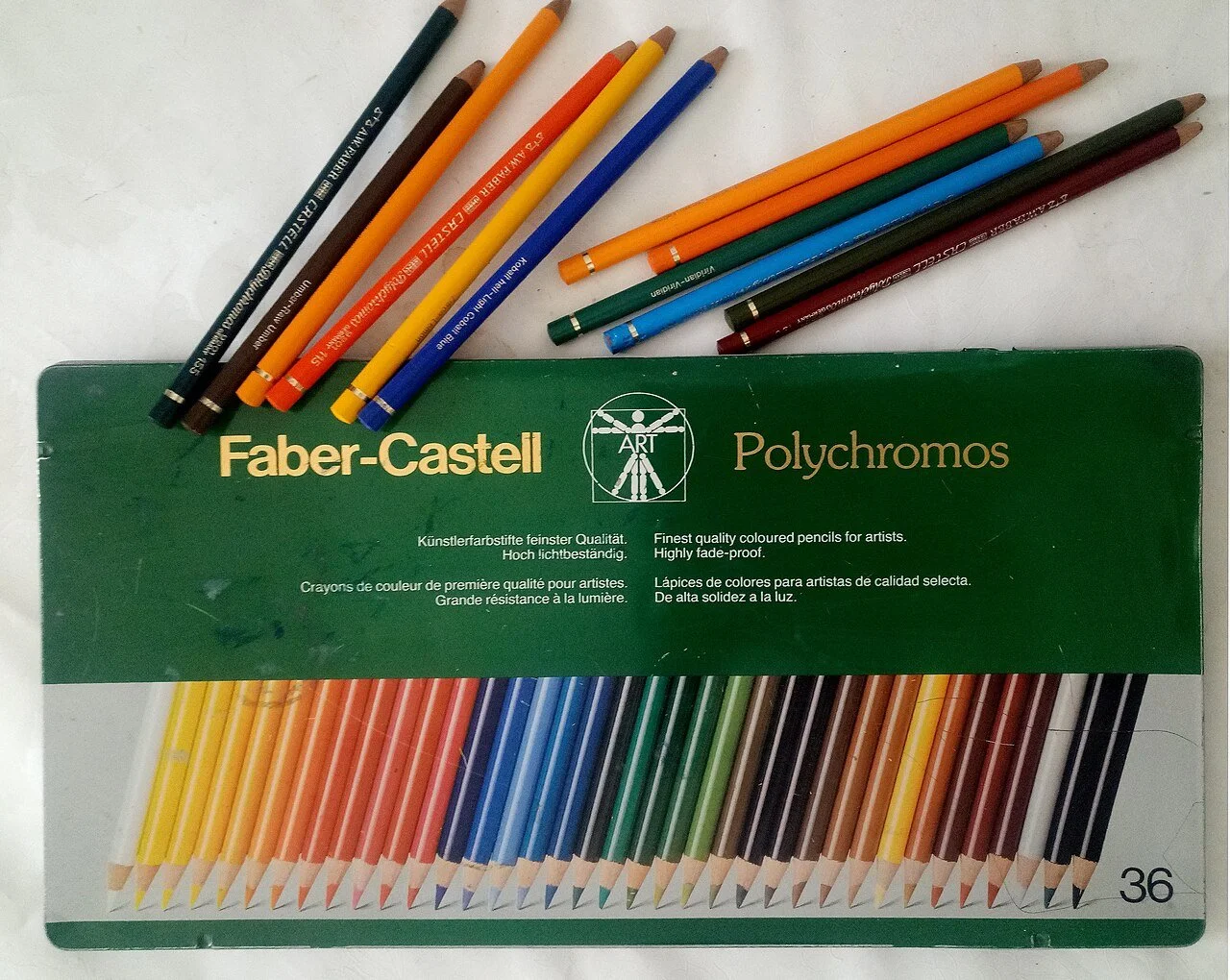
Should you use wax or oil-based colored pencils? In Part 1 I discuss the positives and negatives of wax-based pencils.
Should you use wax or oil-based colored pencils? In Part 2, I discuss the positives and negatives of oil-based pencils.
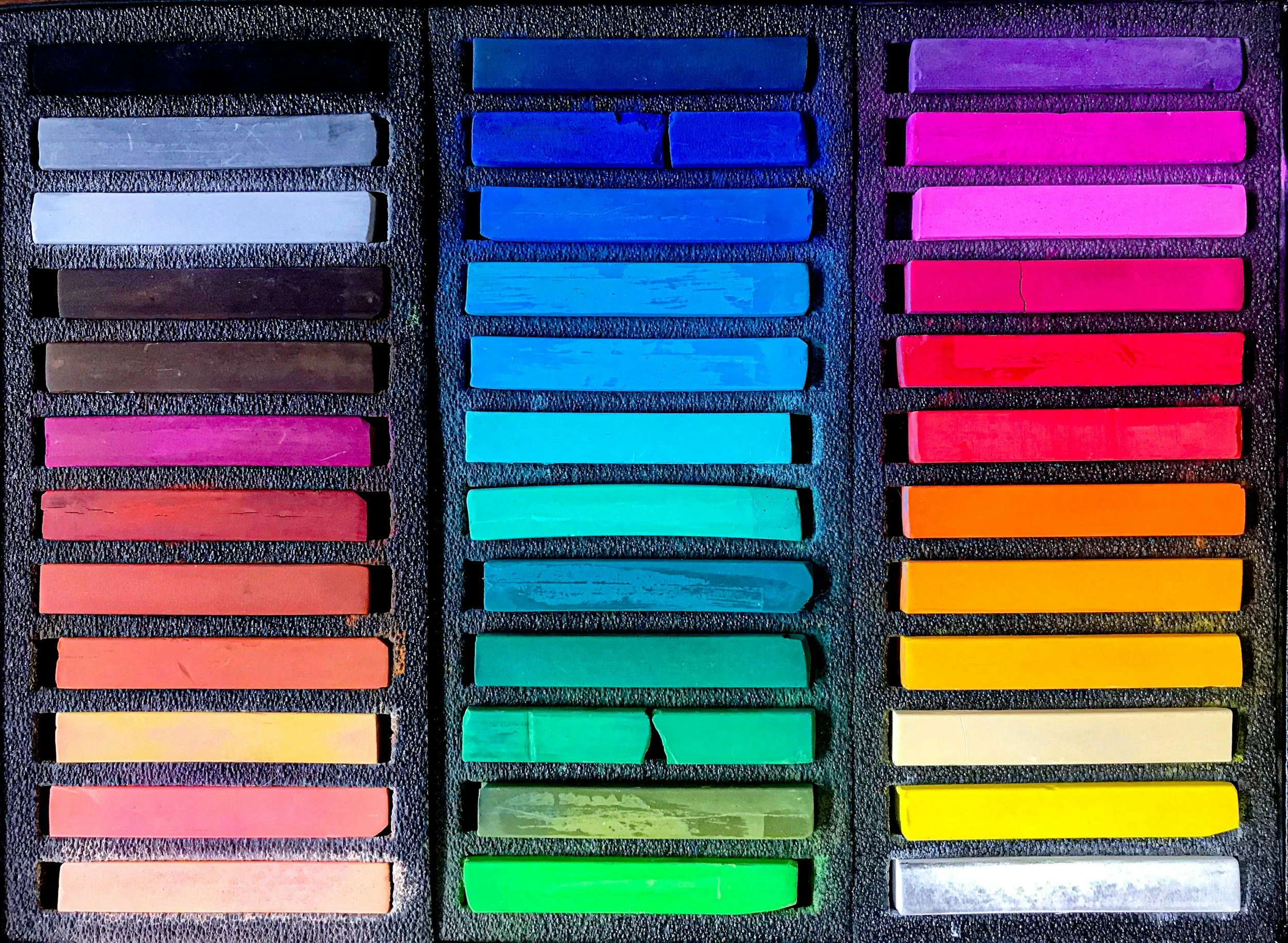
In Part 2 of my blog series, I dive into the realm of pastels, sharing insights into their history, types, and unique characteristics. While I admit to having less experience with pastels as compared to colored pencils, I provide valuable information on different pastel types, discuss the positives of using pastels, and I candidly address the challenges the medium. Despite these hurdles, I am enthusiastic for exploring and learning more about pastels as a crucial part of my ongoing artistic journey.
Discover the dynamic world of colored pencils and pastels for creating realistic artworks. In Part 1 of this two-part blog series, we'll explore the possibilities these mediums offer. We'll delve into the specifics, uncovering both the strengths and challenges of working with colored pencils, revealing the secrets that bring vibrancy and detail to your art.
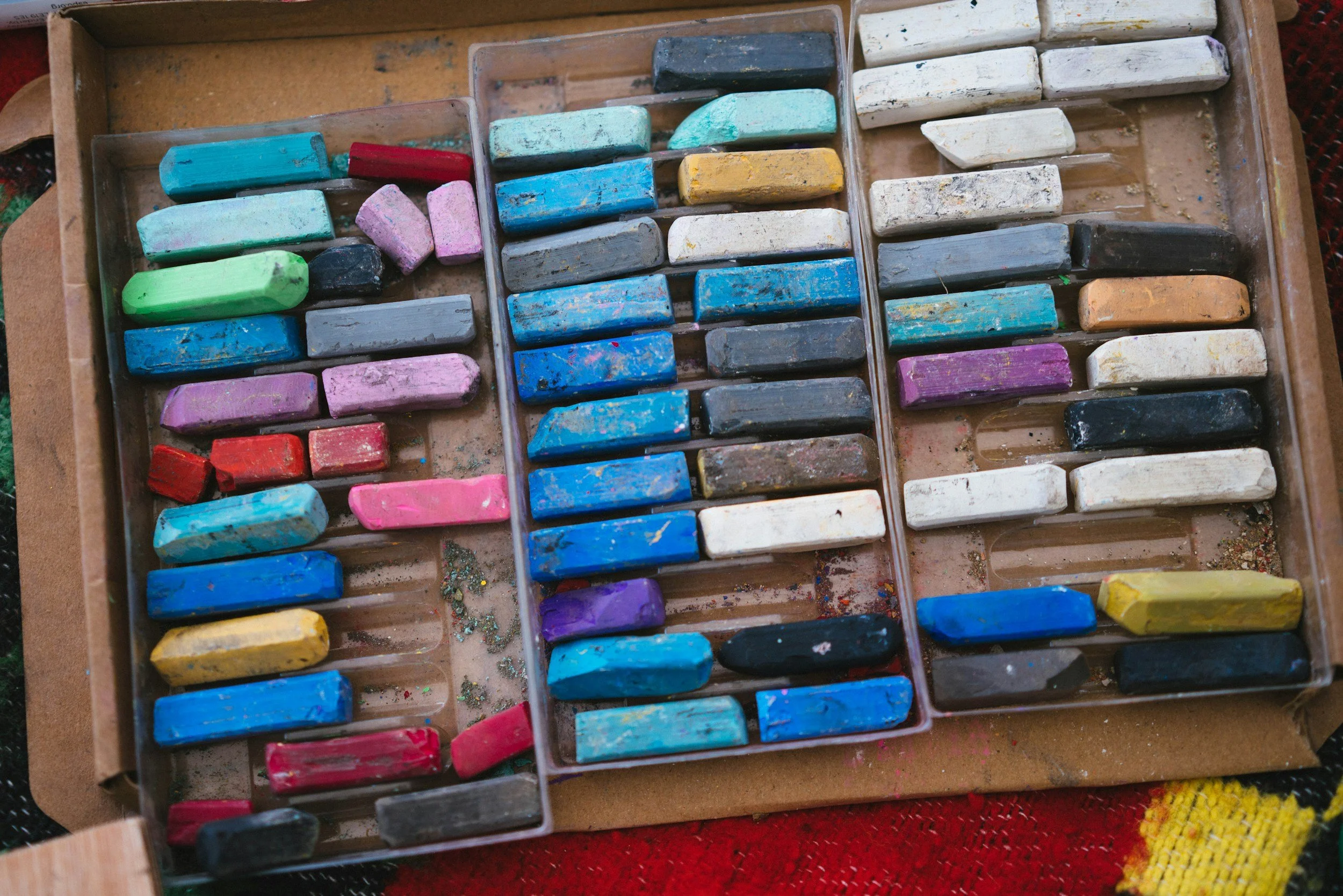
Soft pastels are often thought of as simple drawing tools, but they are capable of far more than many artists realize. In this article, I walk through how I use soft pastel sticks throughout my entire process, from blocking in backgrounds to building base layers, refining mid-tones, and adding final details. Along the way, I share the types of marks I use at each stage, practical tips that help me control the medium, and the pastel brands currently in my studio, including what I enjoy about each and my favorite sets. Whether you are new to soft pastels or looking to expand how you use them, this guide offers a practical look inside my workflow.
Learn when to use medium pastels, hard pastels, and pastel pencils, plus my favorite brands, mark-making tips, and how each fits into my painting process.
With so many art supply options available, it’s exciting—but also overwhelming! Let me simplify the process by sharing my favorite soft pastel tools. I’ll explain why I love them, how I use them, and even point out any downsides, so you can make informed choices for your own creative journey.
Organizing your art supplies can significantly enhance both creativity and productivity. In this blog, I share practical storage solutions for colored pencils, pastels, and other materials, offering ideas to keep your art space tidy, accessible, and efficient. Whether you have a small setup or a dedicated studio, these tips can help you stay organized, making the most of your time and space while you create.
If you are short on inspiration for your next art piece, finding a beautiful reference photograph can reignite your creative spark. Check out these links for photo inspiration.
Clairefontaine Pastelmat is an amazing surface to use with colored pencils, but some artists struggle with knowing how to use it to their advantage. Here are 5 tips for making the most out of Pastelmat.
Getting Started
Social media can be good, bad, or downright ugly. Read about my journey using it to showcase my art and my artistic process. I’ll delve into mistakes I made and tips to change to have a more pleasant and productive time using social platforms as an artist.
Getting your artwork critiqued by a professional artist is like having a secret weapon to help you up your art game. They can spot weaknesses you might miss, give you high-level tips, boost your confidence, and spark new ideas, making your art even better. Here’s what I’ve learned from 2 artists and how I plan to use that information to help me improve my art.
Mindset is a popular term floating about in self-improvement and business communities. What is it and can you change it to help you to improve your art?
Entering art competitions has many benefits including receiving feedback on your work, challenging yourself, and getting validation. Check out this list of competitions, set your sights on one, and give it a shot. What do you have to lose?
As I step into the new year, I’m reflecting on what worked, what didn’t, and how I’m adjusting my approach moving forward. In this blog, I’m sharing five key lessons from last year—insights that have helped me grow as an artist and might inspire you on your own creative journey.
My mission for 2024 is to elevate my pastel painting skills and knowledge. Over time, I've progressed through three distinct phases, each contributing to my growth as an artist. In this reflection, I share insights into the various types of pastels and techniques I've explored on my journey. I'll delve into the pros and cons, offering lessons learned through experience and experimentation.
I only started to take my art seriously in 2018 after years of art being an afterthought. Recently I’ve been pondering the big picture of my art journey, and I’ve been considering how I’m going to move forward differently. Here are 5 things I’ve learned and how I plan to adjust my focus.
It’s that time of year when you hear about goal setting and how to have “your best year ever”. In this blog, I wade through terms like RAS, visualization, and manifestation to see what has scientific merit. Then I’ll parse out 10 tips to help you reach your artistic goals for this year.
Most artists struggle with feelings of self-doubt or imposter syndrome. Here are 10 tips on how to give those feelings the boot.
Quite a few artists say they struggle with imposter syndrome. This blog tackles the definition and the possible causes.
Making sure your values are correct is key to making your drawing look realistic.
Artistic Growth
Color Theory can be confusing, but it’s so important for artists to understand to create cohesive, meaningful pieces. In this post, I’ll tackle the basics of color theory to provide a good foundation for understanding this complex topic.
Color plays a fundamental role in art, shaping compositions, evoking emotions, and conveying symbolic meanings. In this blog, I delve into the dynamic world of complementary colors and their profound impact on artistic expression. I look at how artists use complementary colors to enrich the visual experience and invite viewers on a journey of interpretation and discovery.
Join me as I jump into the world of Goethe. After I describe some of his musings on Color Theory, I’ll analyze two J.M.W. Turner paintings to observe the theory put into artistic practice. Finally, I’ll briefly suggest three ways I plan to employ Goethe’s color theory principles as I move forward on my art journey.
In this post, I take a closer look at Michel Eugène Chevreul’s ideas about color and why they are still useful for artists today. I walk through concepts like afterimages, simultaneous contrast, warm and cool color relationships, and how color affects mood, using well-known paintings as examples. I also share simple, practical ways artists can apply these ideas in their own work without getting overwhelmed by theory.
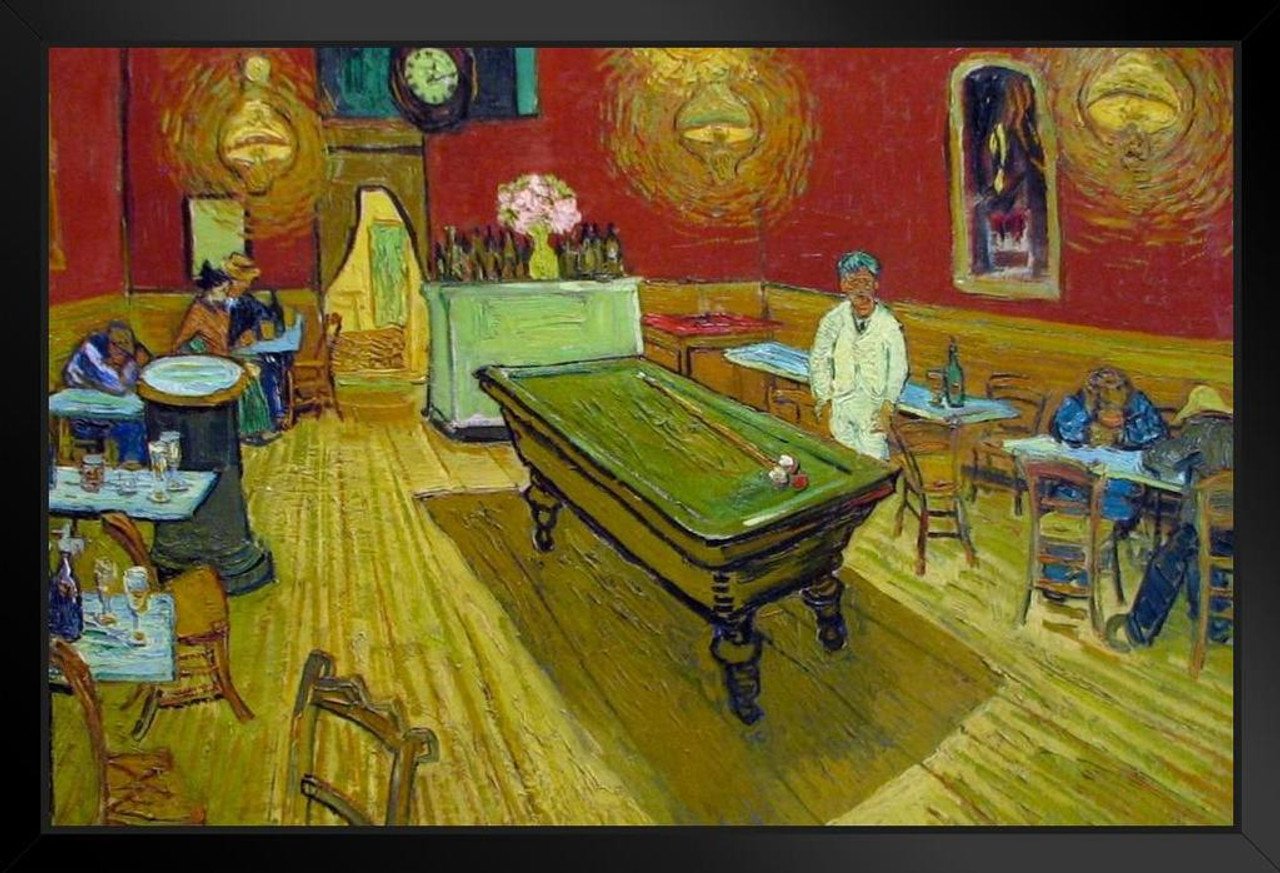

Color theory is a key skill for any artist, helping you understand and use color effectively in your work. In this post, I’ll share practical ways I apply color theory, from studying light to using complementary colors, and how you can incorporate these techniques into your own art.
Color Theory
Solvents are a great tool to have in your colored pencil arsenal. Learn how to use them to take your artwork to the next level and achieve painterly masterpieces.
Let’s dive into the art of burnishing with colored pencils, revealing the tips, tricks, and techniques that will take your artwork to the next level.
Finding easy-to-follow directions on how to create prints of your artwork online is not easy. In this article, I tell you how to clean up the scanned image and tell you where you can get prints made.
Finding easy-to-follow directions on how to create prints of your artwork is not easy. In this article, I remedy that. I tell you how to scan your image. In the next blog I’ll tell you how to clean it up, and tell you where you can get prints made.
Clairefontaine Pastelmat is an amazing surface to use with colored pencils, but some artists struggle with knowing how to use it to their advantage. Here are 5 tips for making the most out of Pastelmat.
There are many strategies that artists can use when composing art. In this blog, I go over 6 of them, provide examples, and tell you how to execute them in your own artwork.
There are 8 principles of art that artists use to create compositions. In this blog, I go over each principle and provide an example of it in a famous artwork. Learning about the principles of art can help you to be more deliberate about composition decisions.
Determining an artwork’s composition is so important because it can greatly influence the overall aesthetic quality and impact of a piece. In this article, I go over important elements to consider when creating an artwork that will impact the composition.
Backgrounds in colored pencil artworks can be daunting, but they really add to a piece. Here are four different methods to try to help you up your background game.
Colored pencils can be hard to erase! Making a mistake when using them doesn’t have to mean you trash your piece. Here are four pre-mistake strategies and three post-mistake triages.
How to use the Colored Pencil Picker App to isolate colors from a reference photograph to match colored pencils.
Techniques
It can be overwhelming to figure out how to draw realistic fur with colored pencils. Cut through the noise with these 5 simple tips to improve your animal drawings.
I’ve been on a mission to improve my realistic art skills. I have already learned a lot, and I’m sharing 5 tips to elevate your technique. These are very simple and range from how to print your large reference photo to mind tricks to help you practice.
The journey to mastering realistic art is a blend of persistence, learning, and patience. In this second blog of a two-part series, I take a look at five more tips to help you improve your art.
Realism
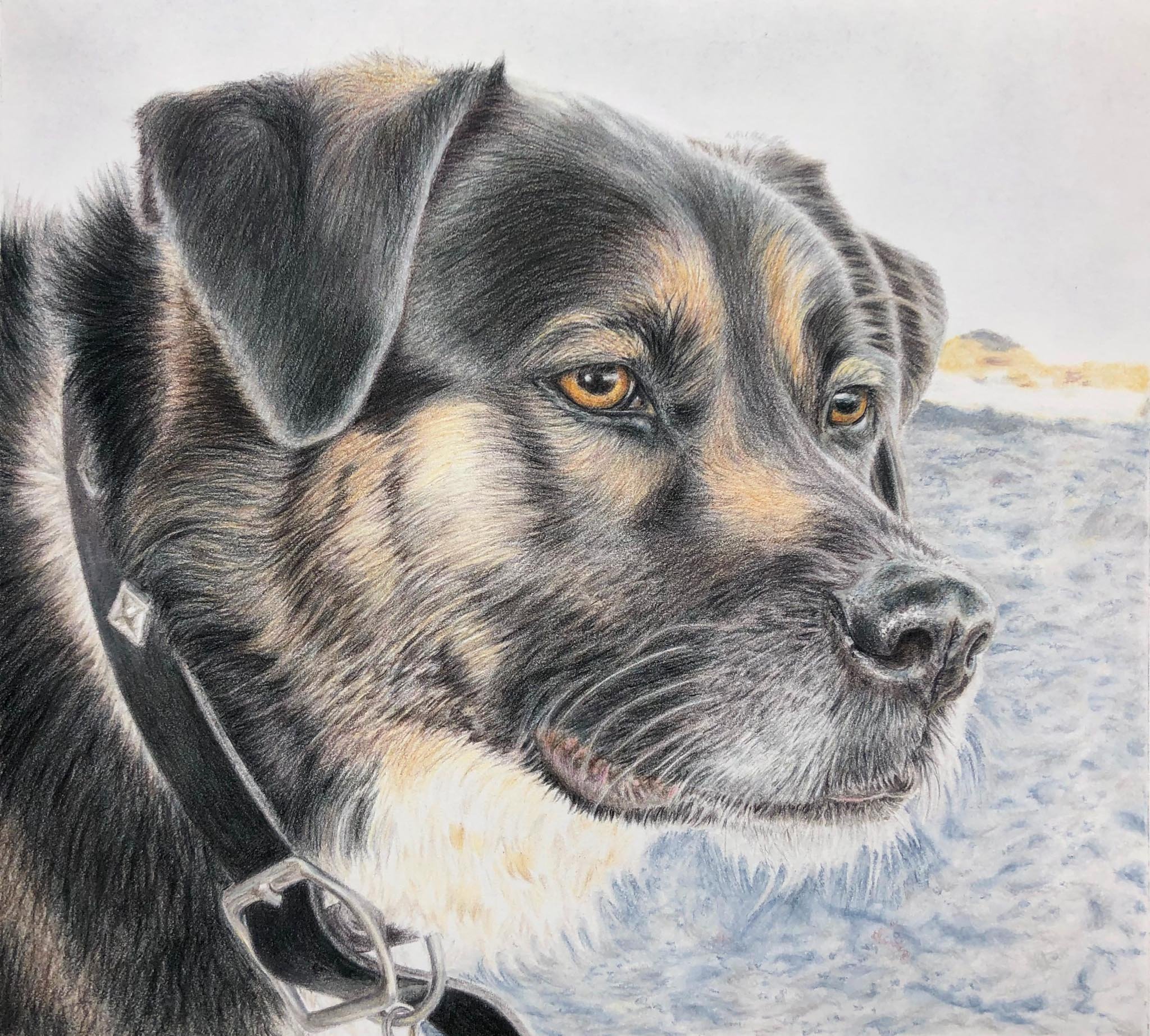
It is important to get a good photograph to create lovely pet portraits. Here are my thoughts on what makes a good reference photograph and tips to improve not-so-great ones.
Backgrounds in colored pencil artworks can be daunting, but they really add to a piece. Here are four different methods to try to help you up your background game.
Pet Portraits
Finding the perfect gift for an artist can be challenging. Let me help you by sharing ideas from a variety of price points! At the very least I hope to get your brain thinking of some fantastic options.
Organizing your art supplies can significantly enhance both creativity and productivity. In this blog, I share practical storage solutions for colored pencils, pastels, and other materials, offering ideas to keep your art space tidy, accessible, and efficient. Whether you have a small setup or a dedicated studio, these tips can help you stay organized, making the most of your time and space while you create.
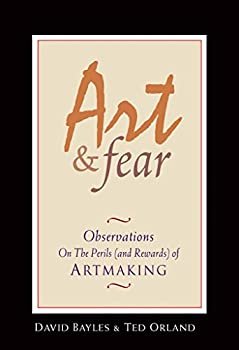
Thoughts on the 1994 book, Art & Fear, by David Bayles and Ted Orland.
Art Resources
Rules were made to be broken! After diving into rules of composition and design, it’s fun to admire 5 artists who broke the rules to create masterpieces.
There are many strategies that artists can use when composing art. In this blog, I go over 6 of them, provide examples, and tell you how to execute them in your own artwork.
There are 8 principles of art that artists use to create compositions. In this blog, I go over each principle and provide an example of it in a famous artwork. Learning about the principles of art can help you to be more deliberate about composition decisions.
Determining an artwork’s composition is so important because it can greatly influence the overall aesthetic quality and impact of a piece. In this article, I go over important elements to consider when creating an artwork that will impact the composition.


In my latest blog, I unveil the realities of art supplies once hailed as champions. Prismacolor Premier colored pencils and their troubling flaw, unforgiving papers, and more. Join me as we navigate this murky terrain, where each revelation brings us closer to clarity.